

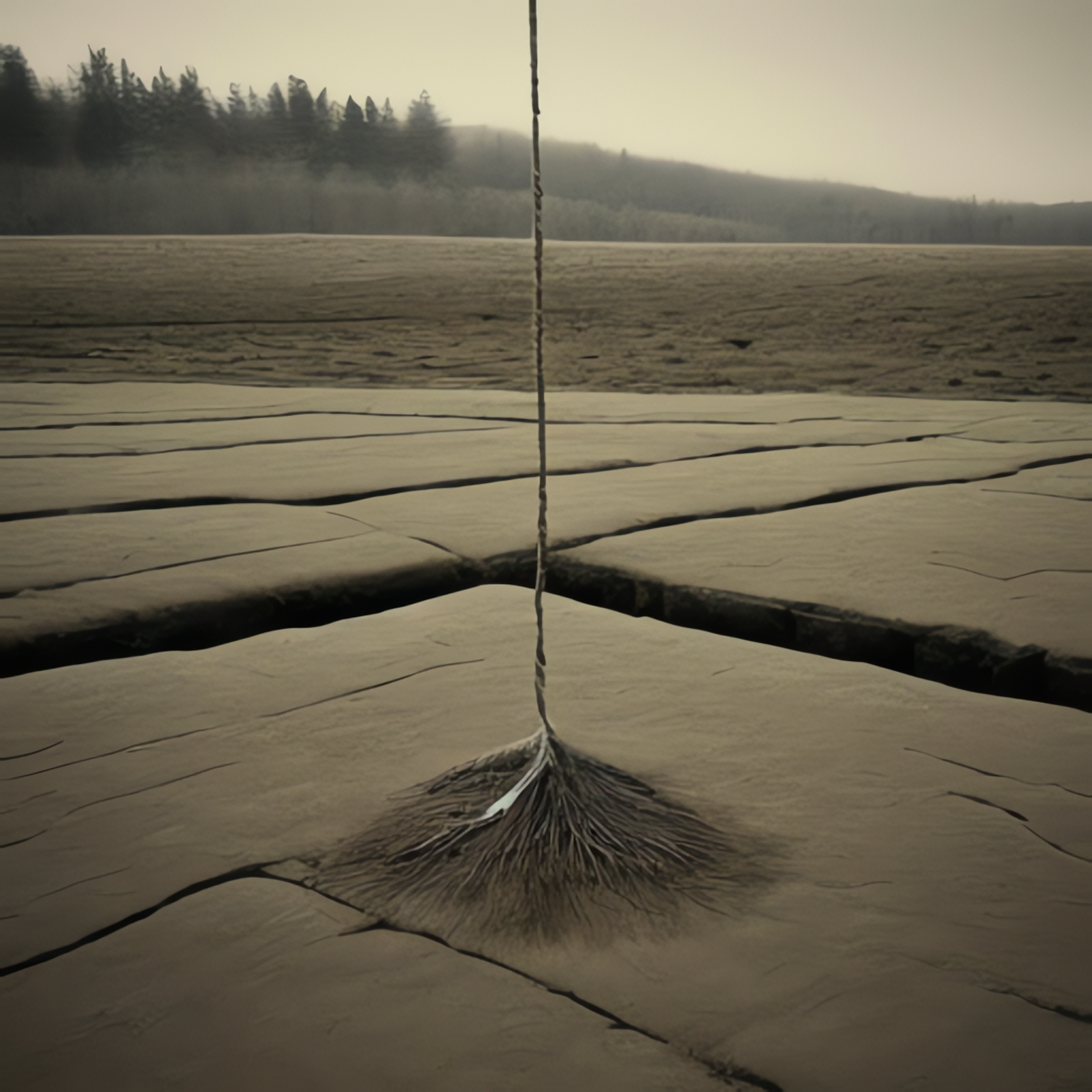
Genesis Chapter 4: The Quiet Bloom of Sorrow
The air hangs heavy, a stillness that settles not just on the land, but within us. It’s a stillness that echoes the silence of that single, brutal day. Genesis 4. A story etched not in stone, but in the persistent weight of the earth. It’s a story of a seed, a single act of violence, and the profound, almost impossible, resilience that unfolds from it.
Let’s not pretend this is a simple tale of evil. It’s not about Cain’s transgression, not directly. It’s about before transgression, about a time of potential, of a nascent connection that was tragically severed. It’s a moment of possibility being irrevocably lost.
God, in His unwavering watchfulness, doesn’t immediately punish. He doesn’t demand retribution. He simply remains, a silent observer, waiting for the seed to sprout. This isn’t a story of divine justice; it’s a story of the universe’s inherent, gentle, and persistent care.
And Cain, thrust into this landscape of quietude, carries a seed of something else. A single, fragile promise – a child, a brother, the echo of a lineage. He’s a fugitive, not in the way of rebellion, but in the way of yearning – yearning for belonging, for recognition, for the very right to exist.
The narrative begins with a cycle. The earth is set, the flood is averted, and the narrative shifts to the land of Nod. Cain settles, not in a grand, heroic gesture, but in a quiet, almost solitary existence. He builds a home, a single, symbolic structure. It’s a space of potential, but also, a space of profound isolation.
And then, the first man, Lamech. He observes, he reacts, he continues the cycle. It’s not about a clash of wills; it’s about a persistent, unspoken acknowledgment of the inevitability of loss. The story then moves on to Seth, who meticulously protects his family. It’s a story of preservation – of maintaining a lineage amidst the ever-shifting currents of time.
But there’s a crucial element to this story – a shift in the narrative’s perspective. God, in His sovereign power, doesn’t immediately judge. He doesn’t initiate a divine punishment. Instead, He gives Cain a name: Cain. This isn’t a name of blame, but of potential. A name that carries the weight of a seed – a seed bearing the potential for both immense sorrow and immense, unexpected growth.
The text immediately shifts the focus. It’s not about what Cain does, but where he goes. It’s about the consequence of a choice – a choice that creates a lineage, a connection, and a consequence of a single, painful event.
What’s remarkable is how the narrative emphasizes the process of becoming. Cain’s actions are not driven by desire or ambition. They are driven by a primal need – a need to provide. The act of offering becomes a symbol, a constant, quiet plea for belonging.
The story of Cain isn’t about causing suffering. It’s about experiencing it. It’s about the echoes of loss, the persistent weight of what might have been. It reveals a profound truth: human existence is built on the foundation of loss.
Looking back, the narrative isn’t about a perfect, uncomplicated life. It’s about the struggle to hold onto something fragile, the constant awareness of impermanence. And in the quiet of the earth, alongside the fertile seeds of the future, it suggests a possibility of growth, a potential for something new, born not from malice, but from the enduring weight of a single, heartbreaking seed.
It is a story of two brothers, lost in a valley of sorrow. And within that sorrow, a profound shift in understanding. A quiet bloom, perhaps, of a future yet to be fully realized. A reminder that even from loss, there can be the potential for something beautiful to rise from the dust.
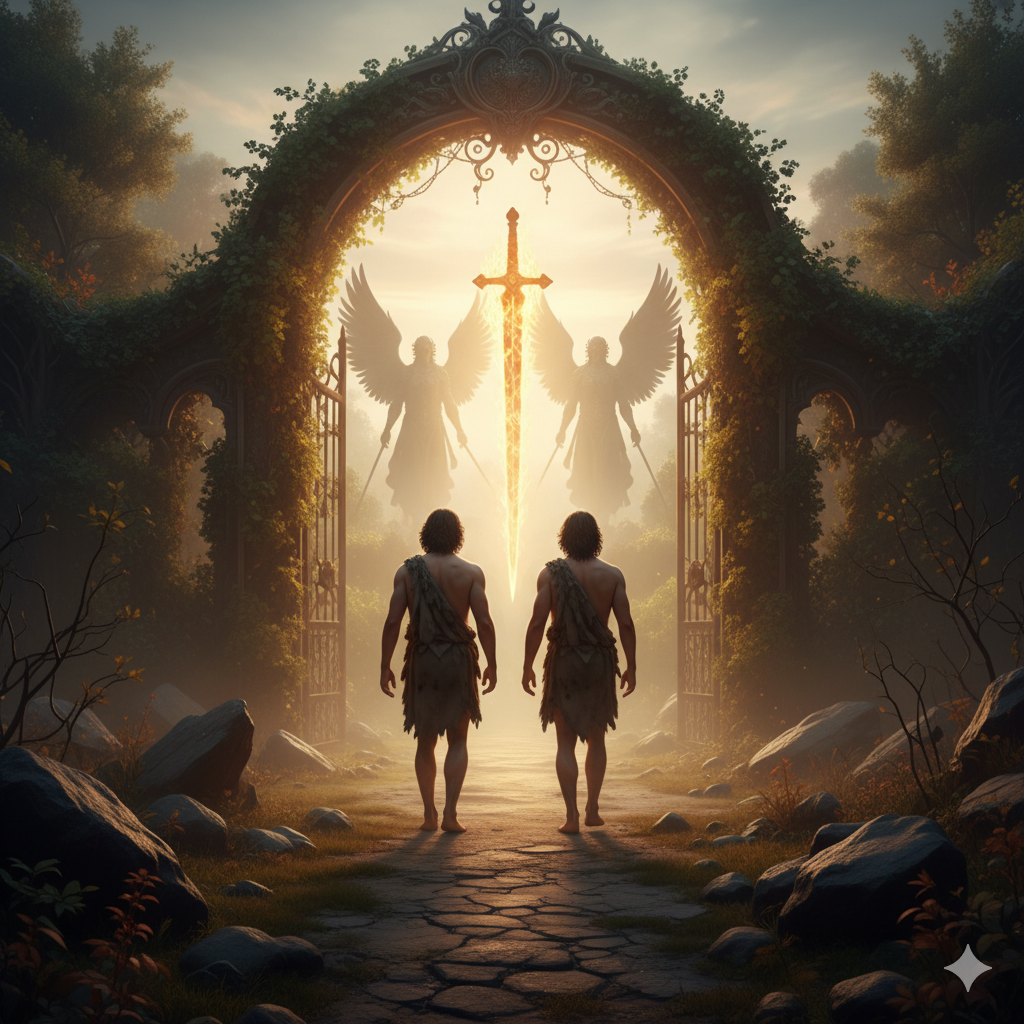
Genesis Chapter 3: The Day Paradise Was Canceled