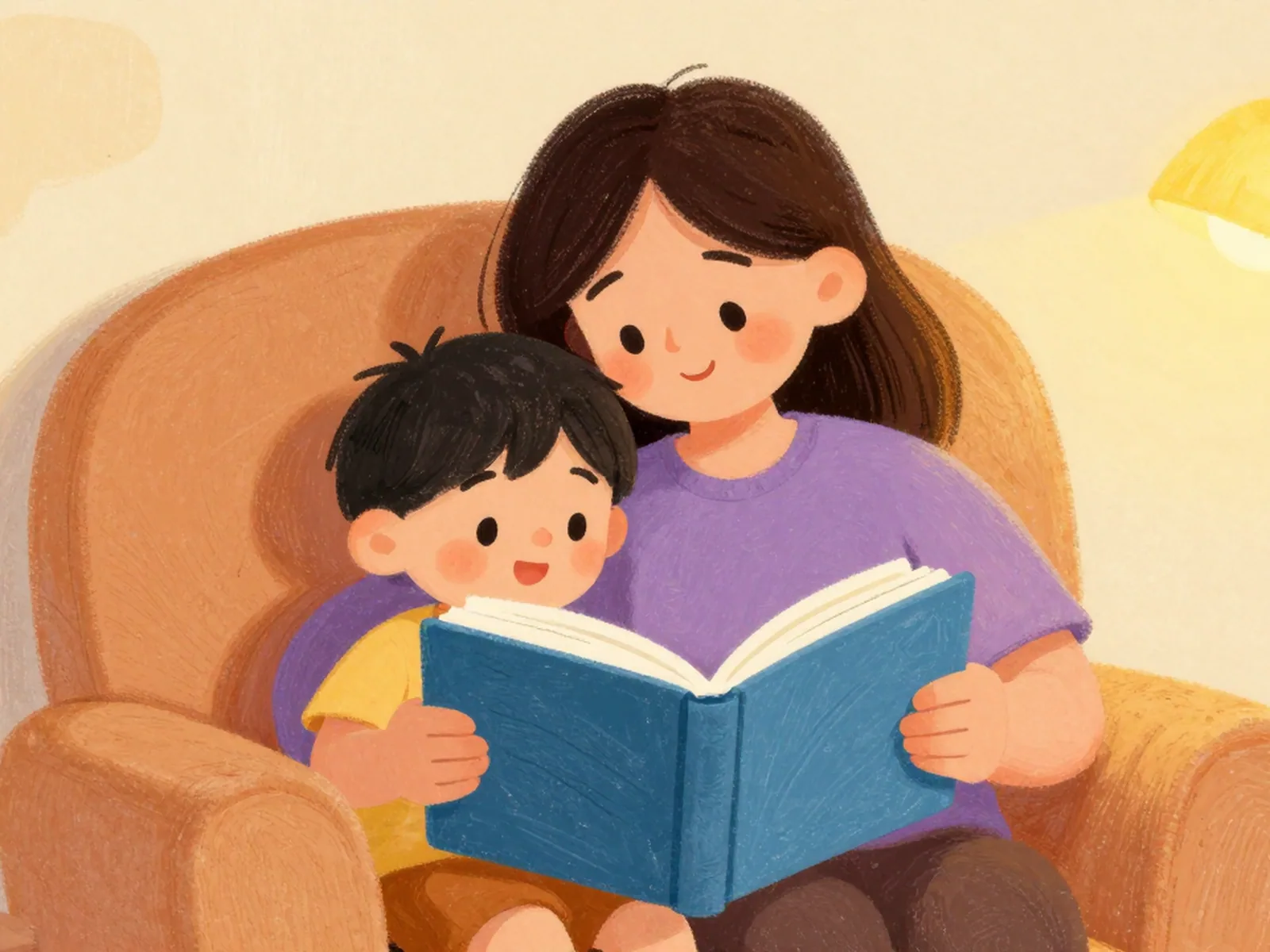
Notes for the person reading aloud.
How the stories are written, what we leave out, and how to answer the questions that come after the last page.
How these are written
Every story is retold in plain modern English at a reading level a six-year-old can follow, and read aloud comfortably in under five minutes. Sentences are short. Names are kept to the ones that matter.
We keep the shape of the original story rather than smoothing it into a moral. Children notice when a story has been flattened, and they lose interest quickly.
What we leave out
Several of these stories contain violence, and we do not pretend otherwise — but we do not dwell on it. Goliath falls; we do not describe what that looked like. The flood happens; we stay with Noah and the animals.
Where a story has a genuinely difficult edge, we say so plainly in the notes rather than hiding it, so you are not caught out by a question at bedtime.
Questions children actually ask
“Did that really happen?” Families answer this differently, and it is not our place to answer it for you. What we can say is that the story is very old, it has been told for thousands of years, and people still tell it because it means something.
“Why was that person mean?” Usually the honest answer is that people in these stories behave like people do — sometimes badly. The stories rarely pretend otherwise, and that is part of why they last.
“Can we read it again?” Yes. Repetition is how young children learn a story well enough to think about it.
- Nothing is sold anywhere here
- Nothing is tracked about your child
Good to know
- Every story is free, forever, with no account
- No adverts and no tracking of children
- Nothing is sold anywhere on this site
- Print anything you like for home or class
- Stories work as standalone reads
- Notes flag anything worth a heads-up
A new story every week.
Free to read, free to print, and gentle enough for the littlest listeners.